
Ultimate Guide to Wildlife Safari Photography in East Africa
Ultimate Guide to Wildlife Safari Photography in East Africa
Dive into the world of wildlife photography with Mrunde African Tours as we provide expert tips and tricks for capturing stunning images of East Africa’s iconic animals. Embarking on a wildlife safari in East Africa is an experience like no other. From the majestic elephants of Amboseli to the iconic lions of the Serengeti, the region’s diverse ecosystems offer unparalleled opportunities for capturing stunning wildlife photographs. Whether you’re a seasoned photographer or a novice enthusiast, mastering the art of safari photography can elevate your travel experience and preserve memories for a lifetime.
1. Choosing the Right Gear
Before setting out on your safari adventure with Mrunde African Tours, it’s essential to equip yourself with the right gear. While professional DSLR cameras and telephoto lenses are ideal for capturing close-up shots of wildlife, modern smartphones with advanced camera features can also yield impressive results. Don’t forget to pack extra batteries, memory cards, and lens cleaning kits to ensure you’re prepared for any photographic opportunity that arises.
2. Understanding Wildlife Behavior
Successful wildlife photography requires more than just technical skills; it also requires a deep understanding of animal behavior. Mrunde African Tours’ expert guides will provide invaluable insights into the habits and movements of East Africa’s wildlife, helping you anticipate and capture captivating moments in the wild. Pay attention to subtle cues such as body language and vocalizations to anticipate the perfect shot.
3. Mastering Composition Techniques
Composition is key to creating compelling wildlife photographs. Experiment with different angles, perspectives, and framing techniques to add visual interest to your images. Use the rule of thirds to create balanced compositions, and don’t be afraid to get creative with leading lines, patterns, and negative space. Mrunde African Tours’ experienced guides will help you find the best vantage points for capturing breathtaking shots of East Africa’s wildlife.
4. Navigating Challenging Conditions
Safari photography often presents unique challenges, from harsh lighting conditions to fast-moving subjects. Be prepared to adapt to changing circumstances and make the most of available light. Utilize the golden hours of sunrise and sunset for soft, flattering light, and experiment with different shutter speeds to capture motion and action. Mrunde African Tours’ knowledgeable guides will assist you in navigating challenging conditions and maximizing photographic opportunities.
5. Preserving Wildlife and Environment
As responsible travelers and photographers, it’s essential to prioritize the well-being of wildlife and the environment. Respect wildlife’s natural habitat by maintaining a safe distance and avoiding disruptive behavior. Practice ethical photography techniques such as refraining from using flash photography and never disturbing nesting birds or resting animals. By following Mrunde African Tours’ guidelines for responsible wildlife photography, you can enjoy incredible photographic opportunities while contributing to conservation efforts in East Africa.
6. Capturing the Essence of East Africa
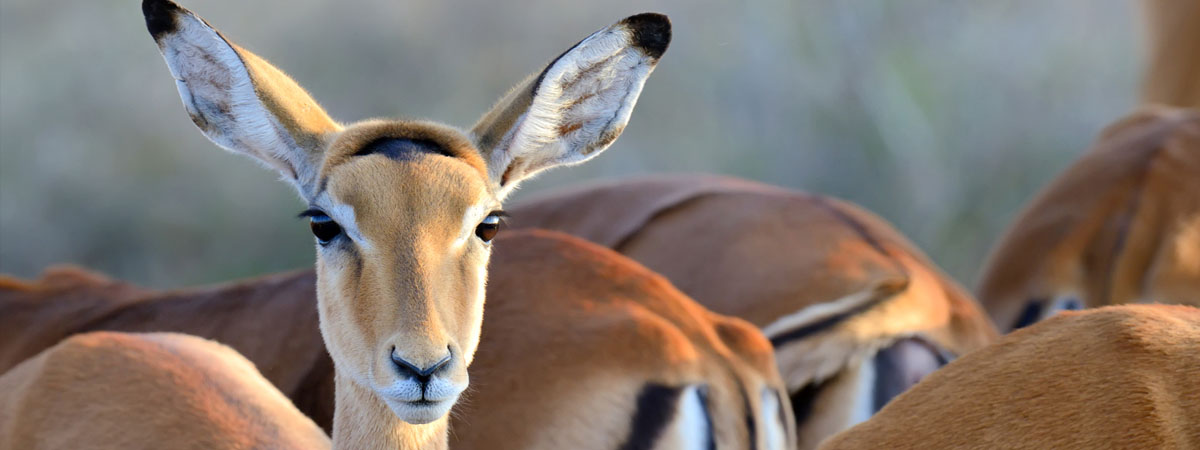
Beyond technical proficiency, successful wildlife photography is about capturing the essence and spirit of East Africa’s natural landscapes and inhabitants. Look beyond the iconic “big five” animals to discover the beauty in the small details—the intricate patterns of a leopard’s coat, the graceful movements of a herd of antelope, or the vibrant colors of a tropical bird. Mrunde African Tours’ experienced guides will help you uncover the hidden gems of East Africa’s wilderness, ensuring your photographs tell a compelling story of your safari adventure.

Recent Posts
The Best Time for Tanzania Safari
Best Time for See Serengeti Migration
Kilimanjaro Climbing Fitness
Quick booking process
+254 759 714 691